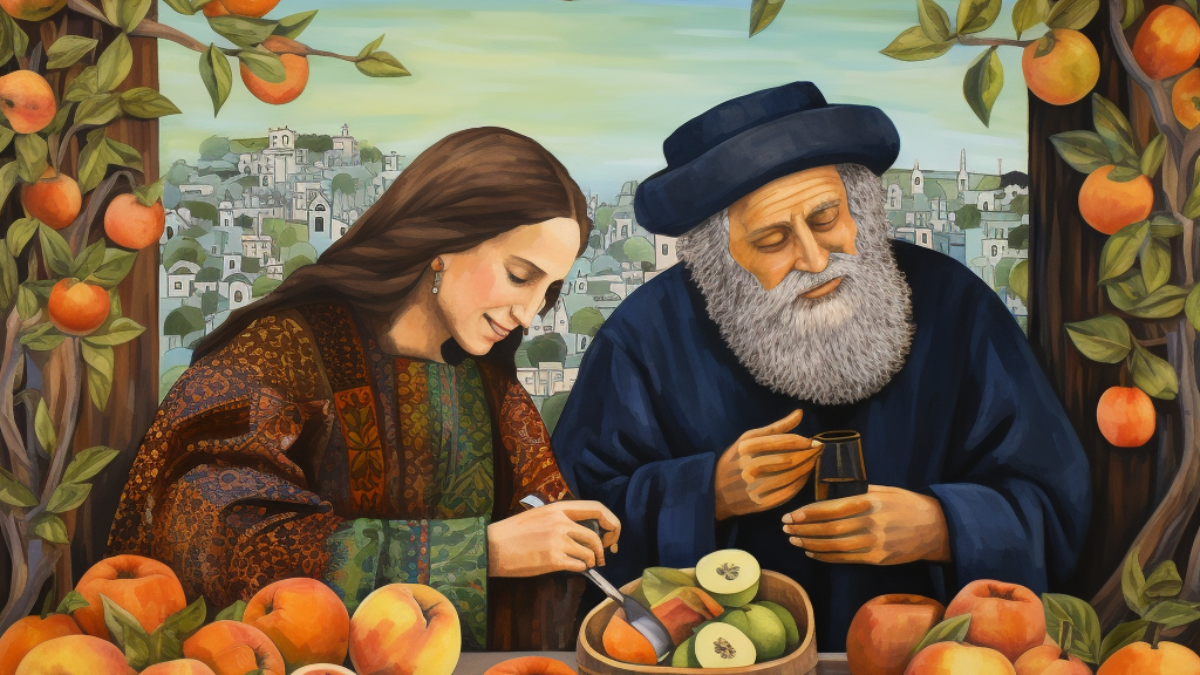
The Jewish New Year, commonly known as Rosh Hashanah, is an essential and joyous occasion celebrated by Jewish communities worldwide. It marks the beginning of the High Holy Days and falls on the first and second days of Tishrei, the seventh month of the Jewish calendar. This sacred period holds immense significance for Jews, as it represents a time of spiritual reflection, self-evaluation, and renewal.
Origins and Traditions
Rosh Hashanah has deep historical roots, tracing back thousands of years to ancient times. The name itself translates to “Head of the Year” in Hebrew, symbolizing the fresh start it brings. According to Jewish tradition, on Rosh Hashanah, God opens the Book of Life and judges every individual, determining their fate for the upcoming year. It is believed that during this time, sincere prayers, repentance, and acts of kindness can sway the verdict in one’s favor.
Preparations and Symbolism
The anticipation for Rosh Hashanah builds in the days leading up to it. Families clean their homes, ensuring they are spiritually ready for the new beginning. Special foods are prepared, each carrying symbolic meaning. One such example is apples dipped in honey, representing a desire for a sweet and fruitful year ahead. Another traditional dish is challah bread, often shaped in a round form to symbolize the cyclical nature of life and the year.
A Time for Reflection
Rosh Hashanah provides a unique opportunity for introspection and self-examination. It encourages individuals to contemplate their actions, behaviors, and relationships in the past year. Jews reflect on both their accomplishments and areas where they fell short. This process of evaluation is crucial, as it sets the stage for the following ten days, known as the Ten Days of Repentance or the Days of Awe.
The Shofar’s Call
A central ritual of Rosh Hashanah is the blowing of the shofar, a ram’s horn. The distinct sound of the shofar serves as a wake-up call, reminding individuals of their duties and responsibilities. Tradition holds that the shofar’s sound is a metaphorical cry to awaken one’s soul and reconnect with God. The shofar blast is a powerful symbol of unity and a signal to begin the process of atonement.
Community and Togetherness
Rosh Hashanah is a time for communal gatherings, with synagogues holding special services. Families and friends come together to observe the holiday, emphasizing the importance of unity and support within the Jewish community. These gatherings provide a sense of belonging and strength during the reflective and often emotional moments of the holiday.
Tashlich: Casting Away Sins
On the afternoon of Rosh Hashanah, a unique custom called Tashlich is observed near a flowing body of water. Tashlich involves symbolically casting away sins by emptying one’s pockets of crumbs, which represent past wrongdoings. This act of purification signifies a fresh start and a commitment to improving one’s behavior in the coming year.
Wishes for the New Year
A prominent tradition during Rosh Hashanah involves exchanging heartfelt greetings and well-wishes. The greeting “Shanah Tovah” meaning “Good Year,” is commonly used to express hopes for a positive and prosperous year ahead. People send cards and gifts to loved ones, spreading love and positivity among family and friends.
Feasting and Celebration
While Rosh Hashanah is a time of spiritual contemplation, it is also a time of celebration. Festive meals are an essential part of the holiday, featuring traditional dishes that vary by region. Families come together to enjoy these special meals, reinforcing bonds and creating cherished memories.
Conclusion
Rosh Hashanah, the Jewish New Year, is more than just a date on the calendar. It is a profound journey of introspection, repentance, and renewal, connecting individuals with their faith and heritage. From the symbolic foods to the sound of the shofar, each aspect of the celebration holds deep meaning and serves as a reminder of life’s cyclical nature. As Jews come together in prayer, self-reflection, and community gatherings, they embrace the opportunity for growth and positive change in the year ahead. May each Rosh Hashanah be a time of spiritual growth, love, and blessings for all who observe it.